Pain Reprocessing Therapy for Pelvic Pain

chronic pelvic pain

First of all, if you are reading this blog because you’re experiencing pain, I’m so sorry. Pain can feel really frustrating, stressful, and isolating. I had chronic pelvic pain and interstitial cystitis symptoms for over a decade, and I know what it’s like to bounce around the medical system between doctors, physical therapists, and alternative treatments trying to find answers. 

Pelvic pain is an umbrella term. In this blog post, I’m going to focus on female bodies, but blog post focused on male pelvic pain hopefully coming soon! If you’d like content on nervous system regulation specifically geared toward male pelvic pain, check out the work of Michael Hodges at Transform Pelvic Health. For folks with female bodies, pelvic pain diagnoses can include vaginismus, vulvodynia, vestibulodynia, pudendal neuralgia, and interstitial cystitis. Sometimes pain isn’t even the right word–people feel like they are experiencing burning, itching, irritation, or bladder urgency. 

get checked out by a doctor first

It’s always important to get checked out by a doctor. Doctors can assess for autoimmune disease, acute infection, or hormone imbalances that needs to be addressed medically. Some people have pelvic floor muscle tension and respond really well to pelvic physical therapy. If you’re looking for recommendations for specialists in the Triangle area, I’d recommend Dr. Yasmin at Alray Gynecology and Grace Pelvic Health

but if that’s not working, what next?

But if you’re reading this blog, you may have already been to several doctors or pelvic PTs. So, what does talk therapy have to do with a medical condition? And why am I, a person whose last hard science class was Biology 101, talking about medical stuff? 

Because! New research is coming out that once pain becomes chronic (about 3-6 months), our brains and nervous system get caught in a predictive feedback loop. This is called neuroplastic pain.

what is neuroplastic pain?

Pain is a danger signal from the brain. Think about it like a fire alarm. Sometimes the fire alarm is going off because there is a fire, but sometimes the fire alarm is going off because you burnt your tuna melt in the toaster oven. Essentially–our brains can send pain as a danger signal even in the absence of tissue damage.

This doesn’t mean the pain is all your head! The brain and nervous system are producing real pain, and it can be 10/10. It just means there isn’t something damaged in the body.

So if the brain isn’t experiencing physical damage, why would it be sending pain? Our nervous system reacts to social threats the same way it responds to physical threats. For example, think about public speaking. A lot of people feel high stress before talking in public and will have a sensation of butterflies in their stomach, sweating, or nausea. It doesn’t mean anything physically is wrong with their body, but their nervous system is in high alert and responding with physical symptoms.

With chronic pain, we can get caught in the pain/fear cycle. Because we’re in pain, we are stressed or scared about experiencing pain. This puts our nervous system on high alert. In this hypervigilant state, our brains are more likely to interpret sensations as dangerous, so they send more pain as a danger signal.

what about symptoms?

I know I keep switching between the words pain and symptoms. A lot of the research and literature that has been published has used the word pain. But more research is coming out that chronic symptoms: like fatigue, dizziness, itching, urinary urgency, and unexplained GI issues are also neuroplastic. So if you’re reading this thinking “I have interstitial cystitis, that’s not really painful, more irritation and need to pee” PRT can still help.

How can I tell if my pain or symptoms are neuroplastic?

If you’re wondering how to assess if your pelvic pain is neuroplastic, check out the FIT criteria from Howard Schubiner. People can also experience mixed pain where it is partially structural and partially neuroplastic. In this case, PRT can still help reduce pain. Here is a podcast episode that goes into this theory for endometriosis.

what is pain reprocessing therapy?

Chronic pain and symptoms are awful. But the good news, if they’re neuroplastic, they can change. Pain Reprocessing Therapy is a newer therapy (developed in the last 10 years) targeted at treating chronic symptoms. It helps people retrain their brain and nervous system to get out of the pain/fear cycle. 

How does that work? Overall, we are trying to get people’s nervous systems out of threat mode. This can be hard! Especially when someone has been in chronic pain, experienced trauma, or is experiencing a high amount of stress. Sometimes the education piece is enough. Knowing that pain doesn’t necessarily mean damage can be a huge relief, and the nervous system stops sending pain. 

But often people need to experience a felt sense of safety in their body. A primary technique of PRT is somatic tracking. This is a guided meditation where people move towards the sensation of pain with curiosity. Often when we feel an unpleasant sensation we brace against it, avoid it, or want it to go away. This is totally understandable! But it continues to send the message to our brain that the sensation is dangerous. During somatic tracking, we’re gently moving towards the pain with curiosity and messages of safety. This helps our brain reappraise the sensation, and it can start to learn that this part of the body is safe. Over time, the brain and nervous system develop new neural pathways and stop producing the symptoms.

Pelvic pain is emotionally complex

I find that working with pelvic pain, as opposed to say, back pain, has its own complexity. Many people with pelvic pain experience pain during sex. This creates stress, pressure, or anxiety about sex. It can (understandably) decrease libido. If you’re experiencing painful sex, my advice is to stop “just pushing through” and white knuckling it. The goal is for sex to be a safe, positive experience.

When people starting experiencing pain with sex, they might have anxiety about how it will impact dating or their relationship. They might feel guilty that they aren’t having sex with their partner or sad that they can’t have the sex they used to have. Or they might fear that their body is broken and won’t ever get better. All of these emotions increase the pressure around sex. With the increased pressure, the nervous system gets more danger signals and is more likely to produce pain. The fear/pain loop is on.

Vaginas and vulvas are an area of our body that we have a lot of emotions around. Many people have experienced sexual trauma, relational abuse, or harassment. Many people grew up feeling shame around sex: from religious messages, family messages, or total lack of messages.

People can also experience pressure from the other direction: that they should be having all the fun sexy sex and orgasming all the time. If they aren’t having this experience (due to pain, low desire, or other reasons) they can feel like there is something wrong with their body. All of these reasons can make the vagina/vulva feel unsafe.

It’s important to give these feelings space, validate them, and move towards them with self compassion. If you choose to work with a PRT therapist, they can guide you through somatic work on the felt sense of emotions in the body. Often people will feel emotions of fear, anger, frustration, or sadness. If therapy doesn’t feel accessible and you want to explore emotions on your own, there are free guided somatic tracking for emotions on Insight Timer. Expressive journal writing is also a great tool, and Nicole Sach’s has a guide if you’d like to follow that.

graded exposure to pelvic pain

If you feel ready to move towards the physical pain, you can try gentle, graded exposure. This can help the nervous system interpret the sensations as safe. This might mean explicitly taking penetrative sex (or whatever sex causes pain) completely off the table for a while. This can help some people feel safe engaging in kissing, oral sex, or other intimacy because they aren’t worried about pain.

For other people, years of pain, medical trauma, or sexual trauma have left them feeling a lot of negative feelings around all parts of sex and physical intimacy. If that’s the case, you can continue to do emotional processing. If you’re ready for an exposure, scale it until it feels comfortable. Something like lying in bed cuddling or reading a book with a sex scene. It’s important to go at a pace that feels comfortable for you.

For graded exposure to the physical pain, pelvic pain can be tricky. If you feel pelvic pain throughout the day (like when you sit in a chair or wear tight clothes) you can do somatic tracking with the sensation. If you end up seeing a PRT therapist, you can do somatic tracking and exposure to the pain in session. But many people only feel pain during penetration. In that case, you can use your finger or a dilator (in a non-sexual context, like lying alone in bed) to stimulate the pain and do recorded somatic tracking exercises.

What else helps?

It can be helpful to listen to recovery stories of other people who experienced pelvic pain and resolved their pain using these methods. This can help people feel less isolated and build hope. Here are some podcast episodes that have recovery stories and go more into the science. The podcast Heal Your Chronic Pelvic Pain is completely devoted to giving information on nervous system regulation for pelvic pain.

Traditional therapy recommendations like slowing down, reducing screen time, engaging in physical activity, setting boundaries, and self compassion are also helpful for nervous system regulation. If you’re experiencing muscle tension, doing work with a trusted, caring pelvic PT can be helpful. Pelvic PT can create a safe graded exposure to the pain.

If you’d like to find a therapist trained in PRT, here is a directory where you can search for providers in your area.

obligatory disclaimer :)

This not a substitute for medical advice, this is for educational and informational purposes only.

5 practices for body acceptance

Woman by lake.jpg

Healing a difficult relationship with food and body image takes time, and it’s not something that can be fixed with a listicle. (But I wrote this listicle anyway, just in case it helps.) If you’re struggling, seek out a therapist, dietician, or doctor who specializes in body image and eating disorders.

This post is a bit advice-y, and if anything feels like too much that’s okay. It’s your body, and you can take this advice or throw it out the window. 

1. Ditch your scale

Seriously, throw it away. Or you could smash it (and then throw the pieces away). You can also find a body positive doctor that won’t weigh you at appointments. In the Triangle, Mosaic Comprehensive Care is a great option. 

2. Look at pictures of diverse bodies

We are inundated with pictures of thin people. From advertising, to TV, to pornography—we mostly see images of people in small bodies. Looking at pictures of people who find joy in their body at any size can be revolutionary. There is a thriving body positive community on Instagram. If you’re looking for some accounts to follow, here are 5 to check out: 

@nonairbrushedme

@bodyposipanda 

@effyourbeautystandards

@iamlshauntay

@thecurvyfashionista

3. Buy comfortable clothes that make you happy 

I used to wear a lot of navy and black because I thought they were the most “flattering” colors. When I started to do my own work in therapy around body image, I realized that I actually loved bright colored clothing. I bought a pair of leggings with a bright pink and purple pattern. I loved them! Now I wear lots of patterns and bright colors. (I don’t mean to throw shade on black and navy, I still have a plethora of both in my wardrobe. And if those are your favorite colors then awesome!)

Ask yourself: what clothes make me feel good? What clothes make me feel happy? What would I wear if I didn’t have to think about something being “flattering”? A jumpsuit with little lemons on it? A swanky blazer? Sweatpants everywhere?

Also, if you have clothes that don’t fit or suit you anymore, give them away. Donate them to a thrift store or host a clothing swap for friends. If you’re not ready to give them away, put them in a box in your closet. Try to have clothes on your hangers (or in your drawers) that make you feel great! 

 4. Try a body-positive meditation 

Whether it’s fashion magazines, sitcoms, or advertising—we frequently hear that are bodies are incorrect. Many people have also heard critical comments from family members or peers. It’s easy to internalize these messages. This internal voice is called “the inner critic.”

Doing body positive meditations can make you more aware of that inner critic. With awareness, you can recognize the inner critic for what it is—just one voice. You don’t have to believe everything it says. Here is a body positive meditation I like. If that one doesn’t resonate with you, there are a lot more meditations out there.

5. Check out the literature about Intuitive Eating and Health at Every Size (HAES)

There are some awesome dieticians who work with chronic dieting, disordered eating, and eating disorders. If you live in the Triangle, Lutz and Alexander is a great agency. They have offices in Durham, Raleigh, and Chapel Hill. 

If you’re interested in learning more about intuitive eating from books or podcasts, check out the Food Psych podcast with Christy Harrison. If you want to read a first-person account of someone healing their relationship food, I recommend The F*ck it Diet by Caroline Dooner. 

This blog post should not be substituted for medical care from qualified health professionals.

A little-known fact about libido

Man and woman in field.jpg

Hey there! Maybe you’re reading this blog post because you’re struggling with low libido. Or you’re reading this because you want a fun fact to share at dinner parties. (Sex, always a neutral topic!) Either way, welcome to the blog.

When thinking about libido, there are two different types of arousal. One is “spontaneous” sexual desire and one is “responsive” sexual desire. Spontaneous sexual desire goes something like this: you look at your partner and think about how attractive they are. You get turned on. You initiate sexual activity.

Spontaneous desire is often portrayed in the media. In a movie, the two leads share a smoldering look, make out, and clothes come off. (Then the two leads wake up wearing pants and strategically placed sheets.) These media portrayals can make spontaneous desire seem normal or like it’s “the gold standard.”

Spontaneous desire feels even more “normal” because it’s often present at the beginning of a relationship. During the first two years of a relationship, it’s common that couples want to tear each other’s clothes off at any opportunity. But spontaneous desire often fades over time. This doesn’t mean that anything is wrong. It’s also completely normal if spontaneous desire fades for one partner but it doesn’t fade for the other partner. If you want to read more about mismatched libidos, check out this great podcast episode from Therapist Uncensored.

So, if spontaneous desire has faded (or is greatly reduced) then what is left? Responsive desire. Responsive desire goes something like this: your partner asks if you want to make out. You’re not sure if you’re in the mood but you’re open to the possibility. You start making out. It feels good. You get turned on. Sexual activity ensues.

Responsive desire means that someone does not get turned on until some form of sexual activity (like kissing) begins. This is completely normal. If you want to learn more about it, check out this TEDx talk from sex researcher Emily Nagoski. You can also read her book Come as You Are.

Crucial note: this does not mean that you should pressure your partner into having sex. If someone says no, that means no. Don’t say “oh you’ll like it when it starts, because responsive desire.” People always have the right to say no. People also have the right to say no to anything once sexual activity has started.

For people who frequently feel responsive desire, you can try kissing, touching, etc. and see how you feel. If you’re still not feeling it, then stop. If you start to feel into it, then go from there. It’s crucial that once any kind of sexual activity begins there is no pressure. This includes the pressure to orgasm or the pressure to do any specific sexual act.

Libido is incredibly complex, and this is only one piece of the puzzle. If you are experiencing low libido and it’s causing you distress, reach out to a sex therapist in your area.

This blog post should not be substituted for medical care from qualified health professionals.

5 romance novels for Fabio skeptics

Woman Reading.jpg

Growing up, I scorned romance novels. I thought they were trashy and embarrassing. I had never actually read one.

I got the message loud and clear from peers and the media: reading romance novels was a shameful act. It took me until my mid-20s before I actually picked up a romance novel (metaphorically, I read it on my Kindle so no one would see the cover). Once I started reading them, I couldn’t stop. 

Romance novels can be a great escape from work stress, the news, etc. True, some romance novels are cheesy and contain problematic story lines. But there are books in all genres with those flaws. I think the stigma around romance novels is tied to the stigma of women’s sexual pleasure. So as a feminist, I will say loud and proud that I think romance novels are great!

If you’re experiencing low libido, reading romance novels can spark desire. Libido is incredibly complex, and I don’t want to imply that reading an erotic book is a magic bullet. I do think romance novels can be a helpful tool. If you’re curious about reading one, here are five books to try.  

1. Erotic Stories for Punjabi Widows by Balli Kaur Jaswal 

Erotic Stories for Punjabi Widows follows Nikki, a young woman living in London. Nikki leads an erotic storytelling workshop to a group of women at a community center. Because of the variety of erotic stories, this book could be a good place to start if you’re looking to dip your toes into the romance genre. 

2. Red, White, and Royal Blue by Casey McQuiston

The Prince of England falls in love with the son of the first female president. Need I say more? I honestly liked this book so much it hurt. 

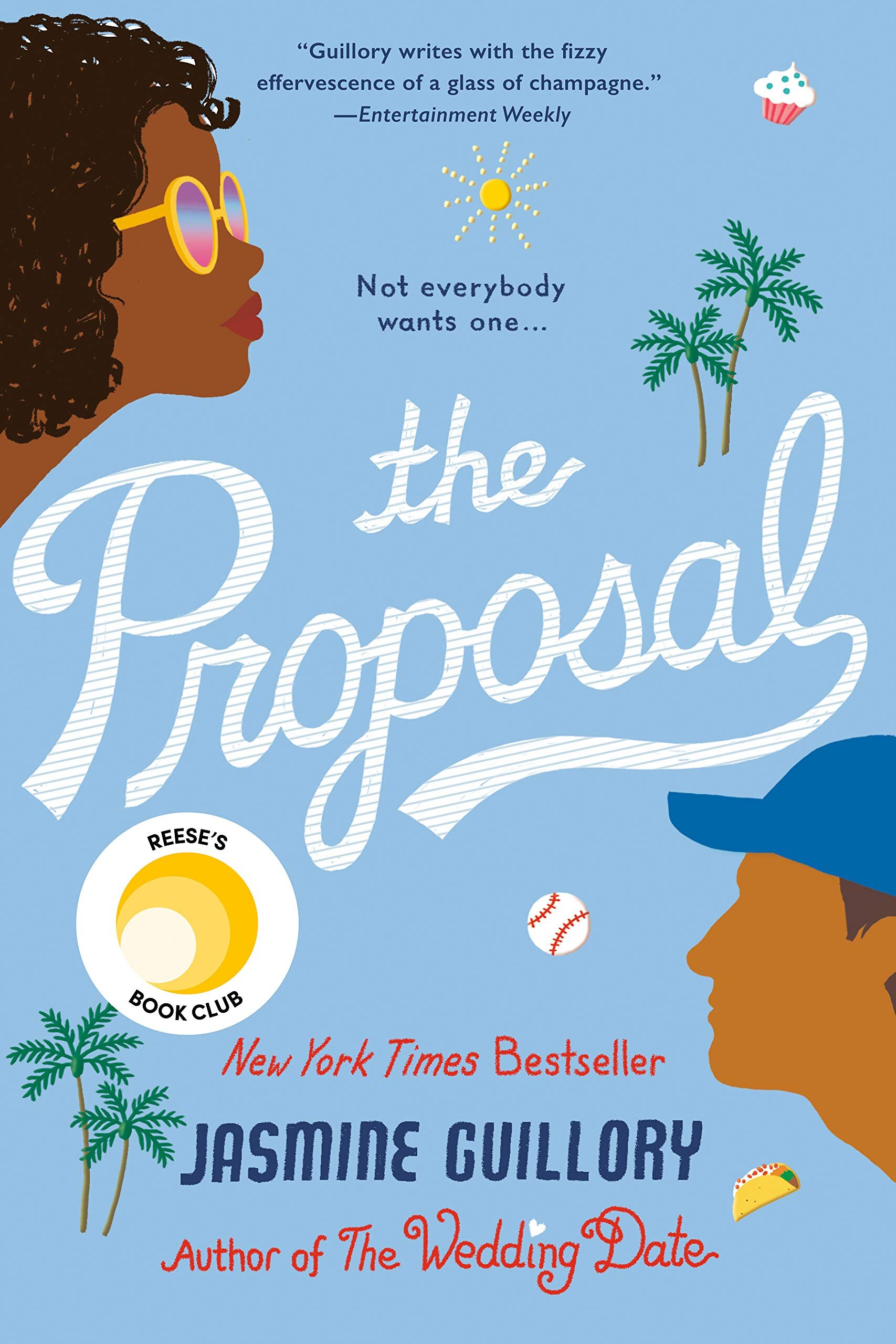
3. The Proposal by Jasmine Guillory

The Proposal follows Nik and Carlos. The premise is that Nik’s boyfriend of just a few months’ surprises her by proposing on a jumbotron. Nik wants to say no, but doesn’t know how to do it in public. Carlos swoops in to save the day. Cuteness ensues. 

4. The Kiss Quotient by Helen Hoang

The concept for this book was a “reverse Pretty Woman.” Stella is on the spectrum, and hasn’t had a lot of experience with dating. She wants to learn from a professional, so she hires Michael as an escort.

5. Poppy Jenkins by Clare Ashton

This book takes place in a small town in Wales. Poppy and Rosalyn grew up together, but they had a falling out in high school. Now Rosalyn is back, and Poppy has to sort out her feelings for her old friend. 

Happy reading!

The sexual pursuer/distancer dynamic in relationships

Two women in field.jpg

It’s very common in relationships for one person to have a higher libido than their partner. Even though it’s common, it can be distressing. The higher-libido partner (or pursuer) can feel rejected, undesirable, and like their needs are not being met. The lower-libido partner (or distancer) can feel pressured and like they aren’t living up to expectations. 

Both pursuers and distancers have valid reasons for wanting more intimacy or more space. Try to avoid placing blame on one member of the relationship. Instead, be curious about the dynamic. 

The pursuer/distancer cycle can be self-perpetuating. The more the pursuer asks for sex, the more the distancer feels pressured. The more the distancer feels pressured, the less likely they are to want sex. The more the distancer declines sex, the more the pursuer wants closeness. 

To change this, both partners need to attempt to reverse the cycle. The pursuer needs to pause pursuing, and the distancer needs to begin initiating. 

The distancer might feel so burnt out at this point that they don’t want to initiate at all. Sometimes the distancer needs to process sexual trauma or shame about their body or sexuality. This can take time. 

The distancer can try thinking about what turns them on. Is it a date night? A clean house? Lots of foreplay? The distancer can also pinpoint what turns them off. Negative body image? A stressful day? A bad night’s sleep?

The pursuer can think about what sex means to them. For example, sex can make the pursuer feel attractive, loved, and close to their partner. These are all understandable feelings, and sex is an important part of a relationship. However, the pursuer can also think about other ways they could feel close to their partner. Perhaps quality time, long conversations, or compliments could help the pursuer feel loved and desired. The pursuer might also need to work on self-esteem and body image, so they can feel confident even if their partner declines an advance. 

Keep in mind that these dynamics can change over time. For example, someone might be a pursuer in one relationship, and be a distancer in another relationship.

Sexuality is incredibly complex. If you’re struggling with the sexual pursuer/distancer dynamic, I recommend seeking out a sex or couple’s therapist in your area. Know that whatever you’re experiencing, you’re not alone. 

Celebrate vulva diversity

You are beautiful picture.jpg

A lot of people feel uncomfortable with their vulva. In a Refinery29 Poll* of over 3,500 women, 48% said they had concerns about the appearance of their genitals. Labiaplasty (plastic surgery on the vulva) is the world’s fastest-growing cosmetic procedure. In 2015, 400 girls under the age of 18 received labiaplasty.

One of the reasons that people feel uncomfortable with the appearance of their vulva is media representation. When people see genitals, it’s usually in pornography. Porn can be great. However, mainstream porn usually only shows a certain kind of vulva that is pink, hairless, and has small labia.

For anyone wanting to feel more comfortable with the appearance of their vulva, here are some ideas.

  1. First, know that genitals come in a range of shapes, sizes, and colors. Try looking at this series of 100 photos of vulvas by photographer Laura Dodsworth.

  2. If you’d rather look at illustrations, The Vulva Gallery has an Instagram page with hundreds of watercolor illustrations.

  3. Listen to this amazing story from Durham resident Natalie Rich. Natalie shares how her job as a test subject for medical students performing gynecological exams helped her accept her vulva.

  4. If you feel comfortable, try looking at your own vulva using a hand mirror.

Body image issues are usually not changed over night. Negative messages, sexual trauma, or religious shame can all affect how people view their genitals. If you’re struggling, reach out to a therapist in your area who has experience in sexuality or body image.

*I’m not sure about the rigor of Refinery29’s sampling methodology, but sadly scientific studies on these topics are limited.

This post should not be substituted for medical care from qualified health professionals.