durham

A little-known fact about libido

Man and woman in field.jpg

Hey there! Maybe you’re reading this blog post because you’re struggling with low libido. Or you’re reading this because you want a fun fact to share at dinner parties. (Sex, always a neutral topic!) Either way, welcome to the blog.

When thinking about libido, there are two different types of arousal. One is “spontaneous” sexual desire and one is “responsive” sexual desire. Spontaneous sexual desire goes something like this: you look at your partner and think about how attractive they are. You get turned on. You initiate sexual activity.

Spontaneous desire is often portrayed in the media. In a movie, the two leads share a smoldering look, make out, and clothes come off. (Then the two leads wake up wearing pants and strategically placed sheets.) These media portrayals can make spontaneous desire seem normal or like it’s “the gold standard.”

Spontaneous desire feels even more “normal” because it’s often present at the beginning of a relationship. During the first two years of a relationship, it’s common that couples want to tear each other’s clothes off at any opportunity. But spontaneous desire often fades over time. This doesn’t mean that anything is wrong. It’s also completely normal if spontaneous desire fades for one partner but it doesn’t fade for the other partner. If you want to read more about mismatched libidos, check out this great podcast episode from Therapist Uncensored.

So, if spontaneous desire has faded (or is greatly reduced) then what is left? Responsive desire. Responsive desire goes something like this: your partner asks if you want to make out. You’re not sure if you’re in the mood but you’re open to the possibility. You start making out. It feels good. You get turned on. Sexual activity ensues.

Responsive desire means that someone does not get turned on until some form of sexual activity (like kissing) begins. This is completely normal. If you want to learn more about it, check out this TEDx talk from sex researcher Emily Nagoski. You can also read her book Come as You Are.

Crucial note: this does not mean that you should pressure your partner into having sex. If someone says no, that means no. Don’t say “oh you’ll like it when it starts, because responsive desire.” People always have the right to say no. People also have the right to say no to anything once sexual activity has started.

For people who frequently feel responsive desire, you can try kissing, touching, etc. and see how you feel. If you’re still not feeling it, then stop. If you start to feel into it, then go from there. It’s crucial that once any kind of sexual activity begins there is no pressure. This includes the pressure to orgasm or the pressure to do any specific sexual act.

Libido is incredibly complex, and this is only one piece of the puzzle. If you are experiencing low libido and it’s causing you distress, reach out to a sex therapist in your area.

This blog post should not be substituted for medical care from qualified health professionals.

5 romance novels for Fabio skeptics

Woman Reading.jpg

Growing up, I scorned romance novels. I thought they were trashy and embarrassing. I had never actually read one.

I got the message loud and clear from peers and the media: reading romance novels was a shameful act. It took me until my mid-20s before I actually picked up a romance novel (metaphorically, I read it on my Kindle so no one would see the cover). Once I started reading them, I couldn’t stop. 

Romance novels can be a great escape from work stress, the news, etc. True, some romance novels are cheesy and contain problematic story lines. But there are books in all genres with those flaws. I think the stigma around romance novels is tied to the stigma of women’s sexual pleasure. So as a feminist, I will say loud and proud that I think romance novels are great!

If you’re experiencing low libido, reading romance novels can spark desire. Libido is incredibly complex, and I don’t want to imply that reading an erotic book is a magic bullet. I do think romance novels can be a helpful tool. If you’re curious about reading one, here are five books to try.  

1. Erotic Stories for Punjabi Widows by Balli Kaur Jaswal 

Erotic Stories for Punjabi Widows follows Nikki, a young woman living in London. Nikki leads an erotic storytelling workshop to a group of women at a community center. Because of the variety of erotic stories, this book could be a good place to start if you’re looking to dip your toes into the romance genre. 

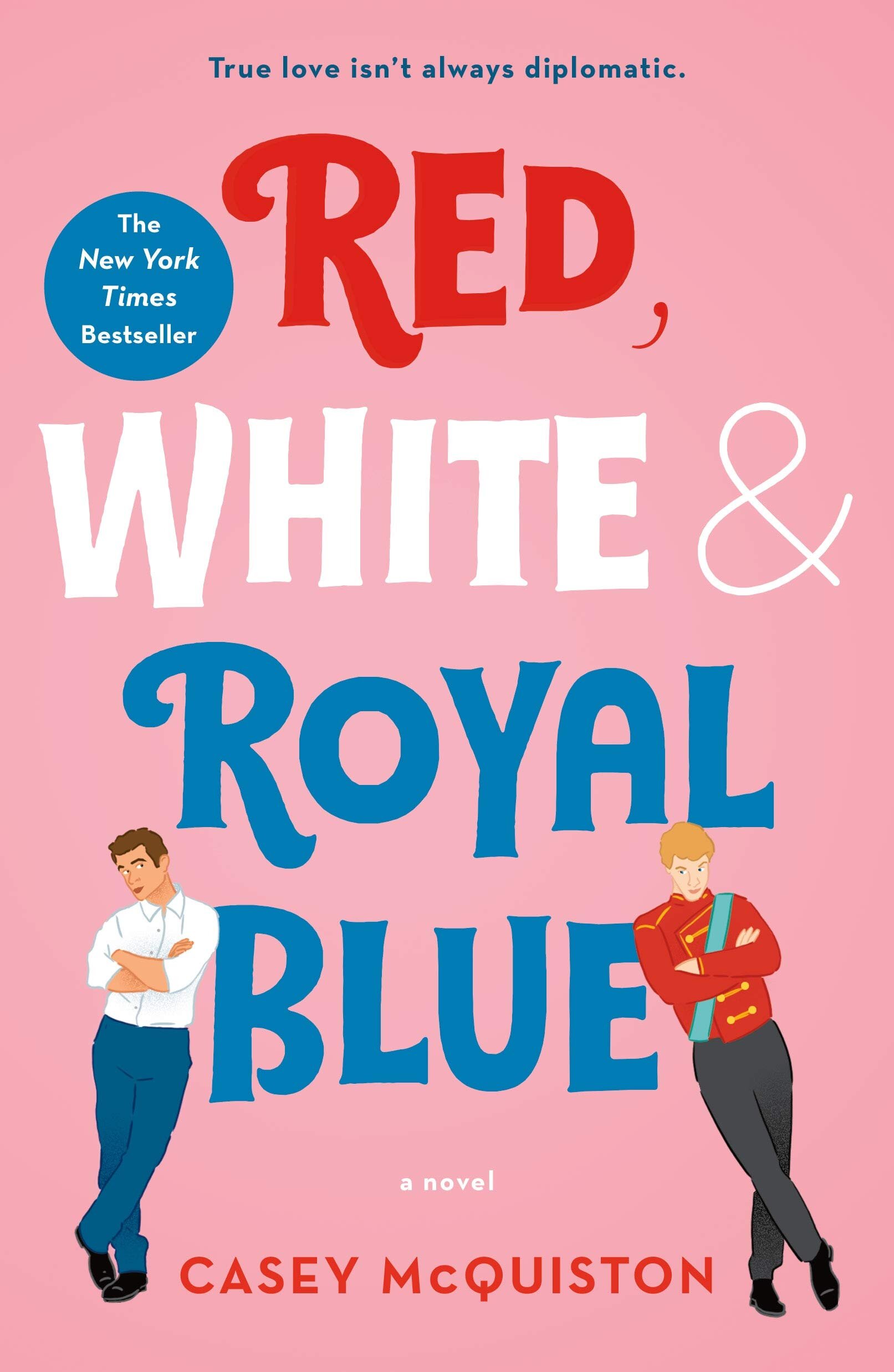
2. Red, White, and Royal Blue by Casey McQuiston

The Prince of England falls in love with the son of the first female president. Need I say more? I honestly liked this book so much it hurt. 

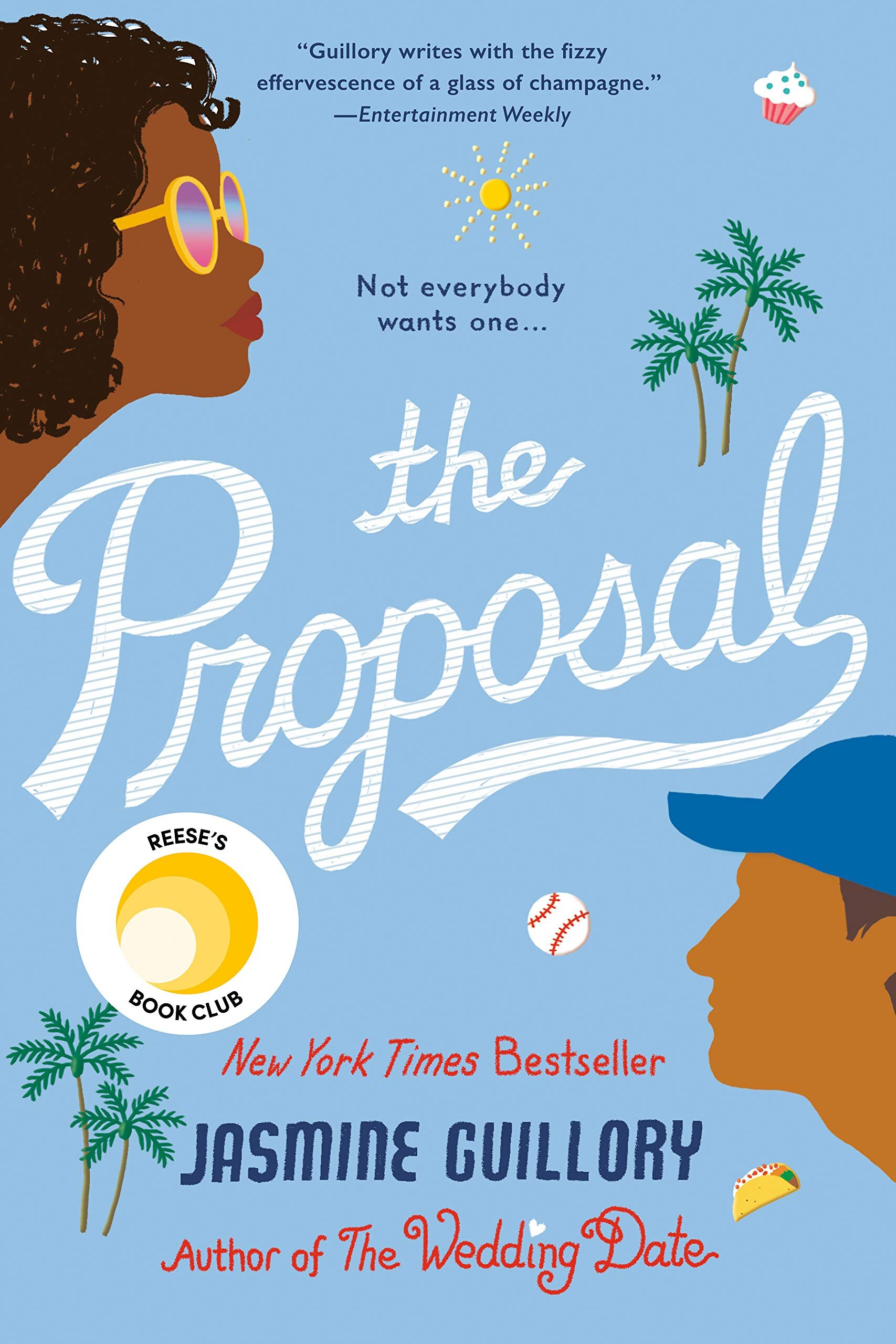
3. The Proposal by Jasmine Guillory

The Proposal follows Nik and Carlos. The premise is that Nik’s boyfriend of just a few months’ surprises her by proposing on a jumbotron. Nik wants to say no, but doesn’t know how to do it in public. Carlos swoops in to save the day. Cuteness ensues. 

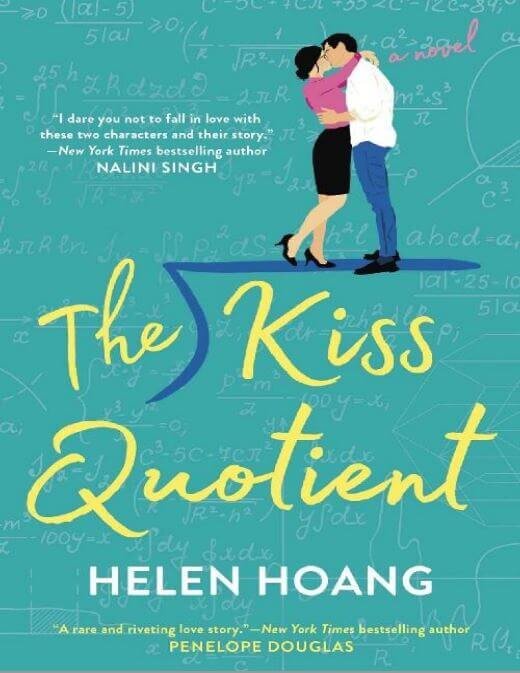
4. The Kiss Quotient by Helen Hoang

The concept for this book was a “reverse Pretty Woman.” Stella is on the spectrum, and hasn’t had a lot of experience with dating. She wants to learn from a professional, so she hires Michael as an escort.

5. Poppy Jenkins by Clare Ashton

This book takes place in a small town in Wales. Poppy and Rosalyn grew up together, but they had a falling out in high school. Now Rosalyn is back, and Poppy has to sort out her feelings for her old friend. 

Happy reading!

The sexual pursuer/distancer dynamic in relationships

Two women in field.jpg

It’s very common in relationships for one person to have a higher libido than their partner. Even though it’s common, it can be distressing. The higher-libido partner (or pursuer) can feel rejected, undesirable, and like their needs are not being met. The lower-libido partner (or distancer) can feel pressured and like they aren’t living up to expectations. 

Both pursuers and distancers have valid reasons for wanting more intimacy or more space. Try to avoid placing blame on one member of the relationship. Instead, be curious about the dynamic. 

The pursuer/distancer cycle can be self-perpetuating. The more the pursuer asks for sex, the more the distancer feels pressured. The more the distancer feels pressured, the less likely they are to want sex. The more the distancer declines sex, the more the pursuer wants closeness. 

To change this, both partners need to attempt to reverse the cycle. The pursuer needs to pause pursuing, and the distancer needs to begin initiating. 

The distancer might feel so burnt out at this point that they don’t want to initiate at all. Sometimes the distancer needs to process sexual trauma or shame about their body or sexuality. This can take time. 

The distancer can try thinking about what turns them on. Is it a date night? A clean house? Lots of foreplay? The distancer can also pinpoint what turns them off. Negative body image? A stressful day? A bad night’s sleep?

The pursuer can think about what sex means to them. For example, sex can make the pursuer feel attractive, loved, and close to their partner. These are all understandable feelings, and sex is an important part of a relationship. However, the pursuer can also think about other ways they could feel close to their partner. Perhaps quality time, long conversations, or compliments could help the pursuer feel loved and desired. The pursuer might also need to work on self-esteem and body image, so they can feel confident even if their partner declines an advance. 

Keep in mind that these dynamics can change over time. For example, someone might be a pursuer in one relationship, and be a distancer in another relationship.

Sexuality is incredibly complex. If you’re struggling with the sexual pursuer/distancer dynamic, I recommend seeking out a sex or couple’s therapist in your area. Know that whatever you’re experiencing, you’re not alone.